91³Ô¹ÏÍø

Event    From 1536  To 1541

dissolution of the monasteries

dissolution of the monasteries

In 1534, for reasons not only to do with his marital situation, Henry VIII broke with Rome, the Pope and the Catholic Church. At the time the Catholic monasteries (and abbeys, priories, convents and friaries) owned over a quarter of all the cultivated land in England. Henry declared himself the Supreme Head of the Church of England and as such he had the authority to do what he wanted with all this church estate. He started with the extremely valuable shrines, closing them and taking possession of their assets. On 17 December 1538 the Pope retaliated by excommunicating Henry. Henry continued his plunder and pillage, breaking up over 850 monasteries in total.

Plaques commemorating monasteries often don't mention how they were destroyed but here is a list of those that we have found so far in London: Holy Trinity Priory, Greyfriars Monastery, Hospital of St Anthony, Bermondsey Abbey, Blackfriars Priory, Charterhouse, Holywell Priory, Austin Friars, Stratford Langthorne Abbey, Chapel of St James in the Wall, Order of St John, Clerkenwell, St Mary's, Willesden, Augustinian Priory of St. Mary, Spitalfields, and Hounslow Priory. Also the Hospital of St Thomas of Acon.

The other, less well-known story is that some survived. To quote Dan Cruickshank at : "Elsewhere, the Lord Mayor and Corporation were successful in their campaigns to save the former monastic establishments that became St. Bartholomew’s Hospital, St. Thomas’s Hospital and Bedlam. The fact that these medieval institutions survived the Reformations to continue their useful functions is one of the more pleasing tales of sixteenth century London."

Comments are provided by Facebook, please ensure you are signed in to see them

This section lists the memorials where the subject on this page is commemorated:
dissolution of the monasteries

Commemorated ati

All Hallows tower and Lambe's Chapel

This is visually just a modern information board but the information is more ...

91³Ô¹ÏÍø

Glaziers Hall

The Glaziers Hall The land in this area formed part of the site of the cloist...

91³Ô¹ÏÍø

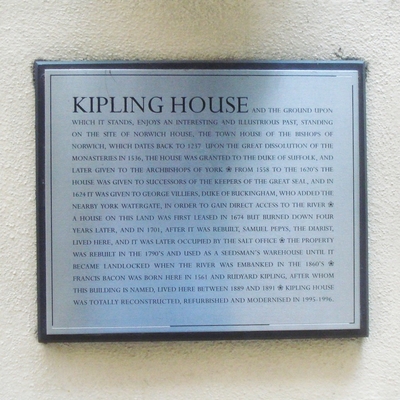
Kipling House

The wording on the plaque could have been clearer. The first half is giving t...

91³Ô¹ÏÍø

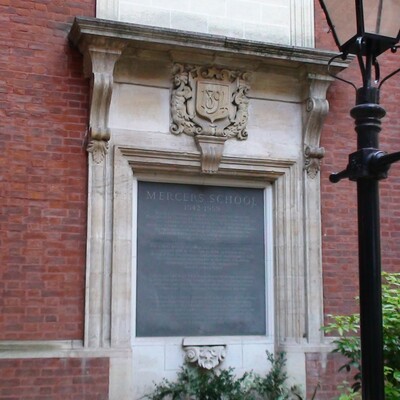
Mercers' School - in courtyard

Mercers’ school, 1542 – 1959 In 1542 the Mercers’ Company purchased the site ...

91³Ô¹ÏÍø

Our Lady of Willesden - shrine

The Dissolution of the Monasteries, while not named on the memorial, is allud...

91³Ô¹ÏÍø

Other Subjects

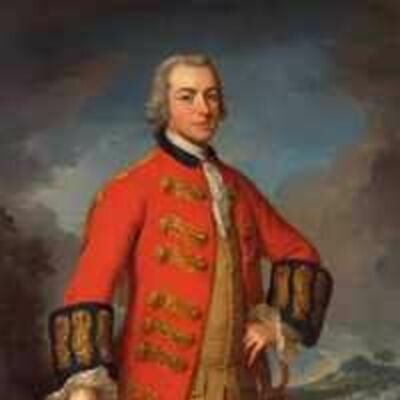
Henry Pelham

Henry Pelham

Prime Minister. Born London. Died in the house he had had built in 1740-3, now 22 Arlington Street. We think this is probably the house with the plaque overlooking Green Park.

Person, Politics & Administration

1 memorial
Charles Shattock

Charles Shattock

Shattock Family History has a terrific Victorian family photo captioned: "Charles Shattock family. Charles Shattock (1857-1928) is John Shattock's great grandfather. He owned a string of shoe store...

Person, Politics & Administration

1 memorial
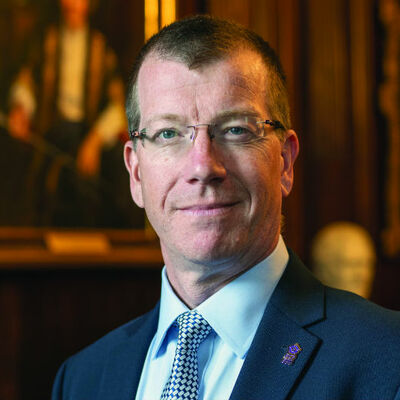
John Alexander Thynne, 4th Marquess of Bath

John Alexander Thynne, 4th Marquess of Bath

Born St James's.  Succeeded his father as Marquess, aged six. Trustee of the National Portrait Gallery and of the British Museum.

Person, Politics & Administration

1 memorial
Robert Fitzwalter Lord of Dunmow

Robert Fitzwalter Lord of Dunmow

Constable of Baynard's Castle.  Led the 25 barons who negotiated with King John to create the Magna Carta.  Our image shows his seal.

Person, Politics & Administration

1 memorial
Battersea Town Hall

Battersea Town Hall

A Grade II* listed building, designed in 1891 by E. W. Mountford (1855 - 1908) opened in 1893 as Battersea Town Hall. Sculptural work by Horace and Paul Montford. In 1965 Battersea and Wandsworth a...

Building, Politics & Administration

2 memorials