The so-called New River is actually an aqueduct built 1609 - 1613 from near Ware, Hertfordshire, to Islington to bring fresh water from country springs to the City. It required a 1602 charter from King James I. Now, 2007, the New River is still used as a source for London's drinking water and also provides a 25 mile footpath. See also the remains of the windmill. has a very comprehensive post. And is the walking guide.

This section lists the memorials where the subject on this page is commemorated:
New River
Commemorated ati

Claremont Close - WW2 damage
The charming insignia seems to show a roofscape, including a church, all behi...

Clarendon Arch - 1786
This bank of earth was raised and formed to support the Channel of the New Ri...
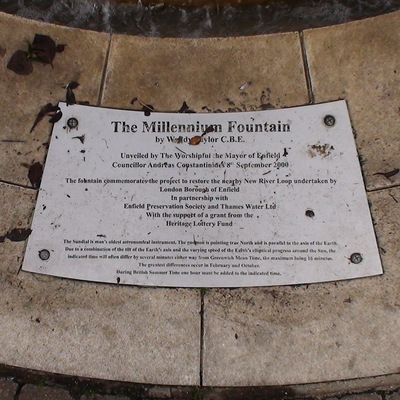
Enfield Millennium Fountain
The Millennium Fountain by Wendy Taylor CBE. Unveiled by the Worshipful the M...

Hugh Myddelton - N21
Formerly Bush Hill House Sir Hugh Myddelton, engineer of the New River, lived...

Other Subjects

Commissioners of Sewers, Holborn and Finsbury Divisions
We don't want to go very deeply into this subject but according to this report:Â Holborn and Finsbury Divisions of Sewers. Report of the Surveyor [J. Roe] to the Court held 27th January 1843 ... By ...
2 memorials
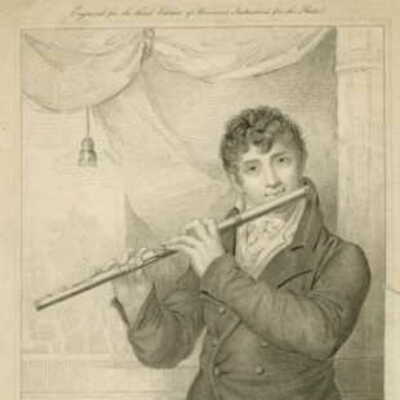
Willoughby Theobald Monzani
Willoughby Theobald Monzani was an engineer and musician. (Note: this image shows his father.) With James Warren, he developed the Warren Truss girder which was used in the construction of many bri...
1 memorial

Watson Strother, A.M.I.C.E., M.I.Mun.E., A.R.I.C.S.
Watson Strother was born on 13 February 1902. His birth was registered in the 1st quarter of 1902 in the South Shields Registration District, Durham and he was the eldest of the three children of J...
1 memorial

Greenwich Foot Tunnel
Pedestrian tunnel under the Thames designed by Sir Alexander Binnie, linking Greenwich town centre in the south with Island Gardens Park in the north. It is 1,215 feet (370.2 m) long and 50 feet (1...
3 memorials

Woolwich Royal Arsenal
Site of armaments manufacture, ammunition proofing, and explosives research for the British armed forces. There were four departments: The Storekeeper's Department; The Royal Laboratory (manufactu...
4 memorials
Comments are provided by Facebook, please ensure you are signed in to see them