These were used initially by the Royal Air Force Bomber Command and the German Luftwaffe in 1940-41. They acted as blast bombs and were capable of killing up to 100 people.
Credit for this entry to: Alan Patient of www.plaquesoflondon.co.uk

These were used initially by the Royal Air Force Bomber Command and the German Luftwaffe in 1940-41. They acted as blast bombs and were capable of killing up to 100 people.
Credit for this entry to: Alan Patient of www.plaquesoflondon.co.uk
This section lists the memorials where the subject on this page is commemorated:
Parachute mines

Parachute mines were used in the early 40s; the end of the war was characteri...

A German WW1 internee at Alexandra Palace who died there and was buried in New Southgate Cemetery. AN607
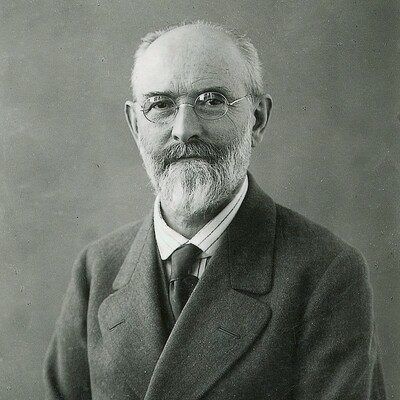
German industrialist, engineer, inventor, entrepreneur and founder of the multinational engineering and technology company Bosch. In 1898 Bosch partnered with Frederick Simms, a Hamburg-born Briti...
A German WW1 internee at Alexandra Palace who died there and was buried in New Southgate Cemetery. AN179

Nazi official. Born Reinhard Tristan Eugen Heydrich in Halle an der Saale. An architect of the Holocaust, he is regarded as one of the most extreme members of the Nazi regime, with even Hitler call...
Person, Armed Forces, Politics & Administration, Czechoslovakia, Germany

Politician. District mayor of Berlin-Wilmersdorf from 1981 to 1996.
Comments are provided by Facebook, please ensure you are signed in to see them