Named after the Fountain Tavern which it contained, Fountain Court was built over by Savoy Buildings in 1883. In 1827 William Blake died at 3 Fountain Court, now part of the Savoy Hotel. Lawrence Silverman has kindly added the following information: Before the Fountain Tavern was built Fountain Court was called Worcester Court and gave access to Worcester House on the river. The Coal Hole Tavern was also in Fountain Court. The sites of both taverns were eventually covered by Terry's Theatre, as was that of the original Simpson's-in-the-Strand (Simpson's Grand Divan Tavern) on the left-hand side of the passage.

This section lists the memorials where the subject on this page is commemorated:
Fountain Court
Commemorated ati

Fountain Court
This way was called Fountain Court until 1883 from the Fountain Tavern which ...
Other Subjects

Toynbee Hall
The first university settlement house. Founded by Samuel and Henrietta Barnett. It was named for their friend, Arnold Toynbee, the economic historian noted for his social commitment and desire to i...
5 memorials

Lord's cricket ground
Thomas Lord laid out his original cricket ground in Dorset Square in 1787. It was used mainly by the Marylebone Cricket Club (MCC) which was founded there in the same year. Following a dispute over...
7 memorials

Lillington Gardens Estate
Housing estate in Pimlico. Designed by the architects John Darbourne and Geoffrey Darke, it was constructed in phases 1961-80 and has received many commendations, including a Housing Design Award, ...
1 memorial

High Speed 1
A high-speed railway link from London through Kent to the UK end of the Channel Tunnel. Officially known as the Channel Tunnel Rail Link (CTRL) and originally as the Union Railway or Continental Ma...
2 memorials
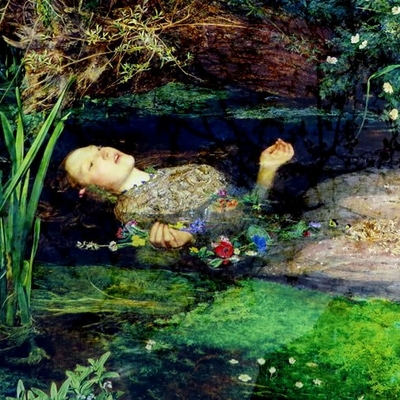
Hogsmill River
Tributary of the Thames rising in Ewell, with five tributaries of its own. It was the setting for the John Everett Millais painting of Ophelia (pictured), although the model posed in a bath. Willia...
1 memorial
Comments are provided by Facebook, please ensure you are signed in to see them